Identity
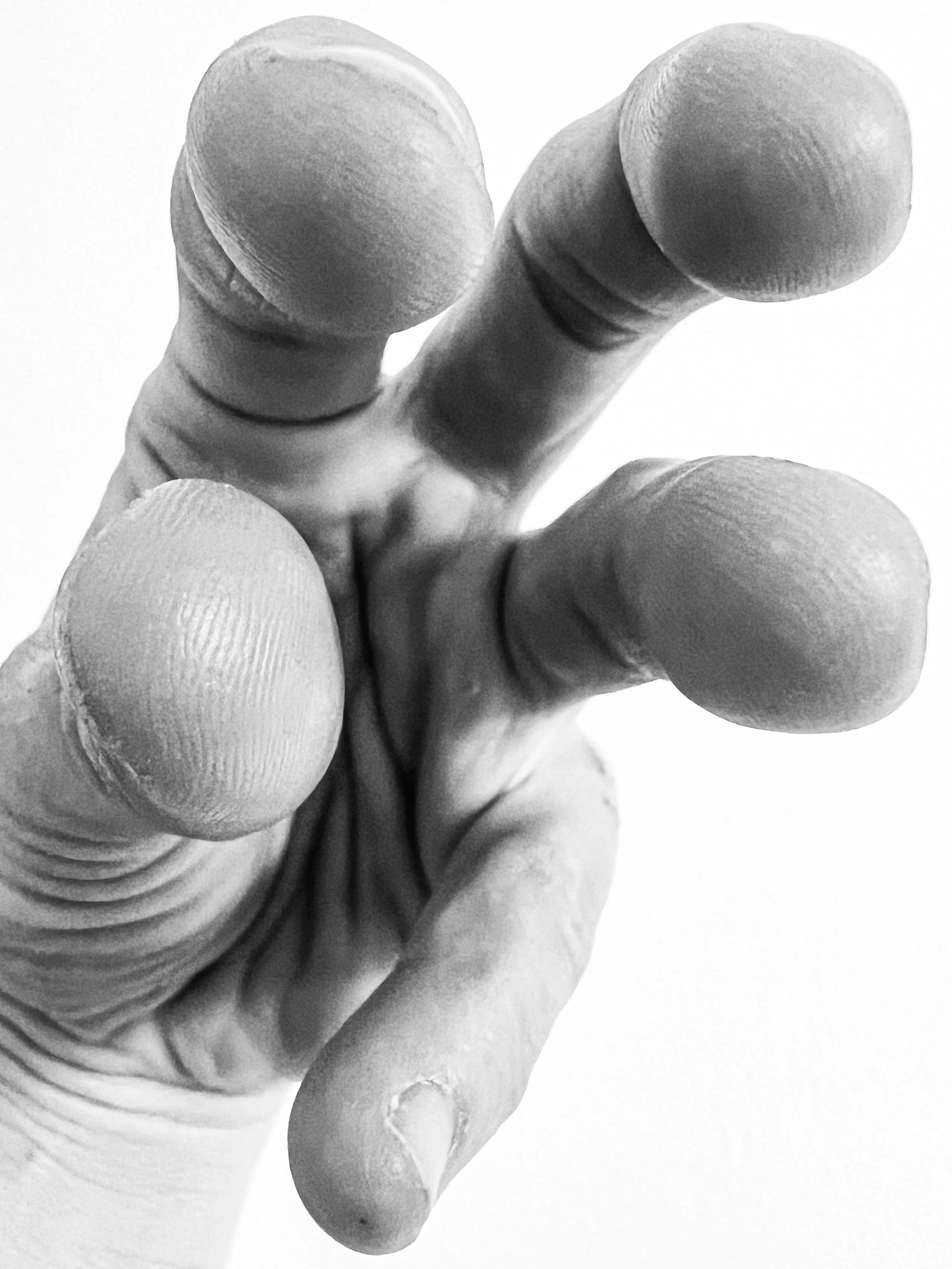
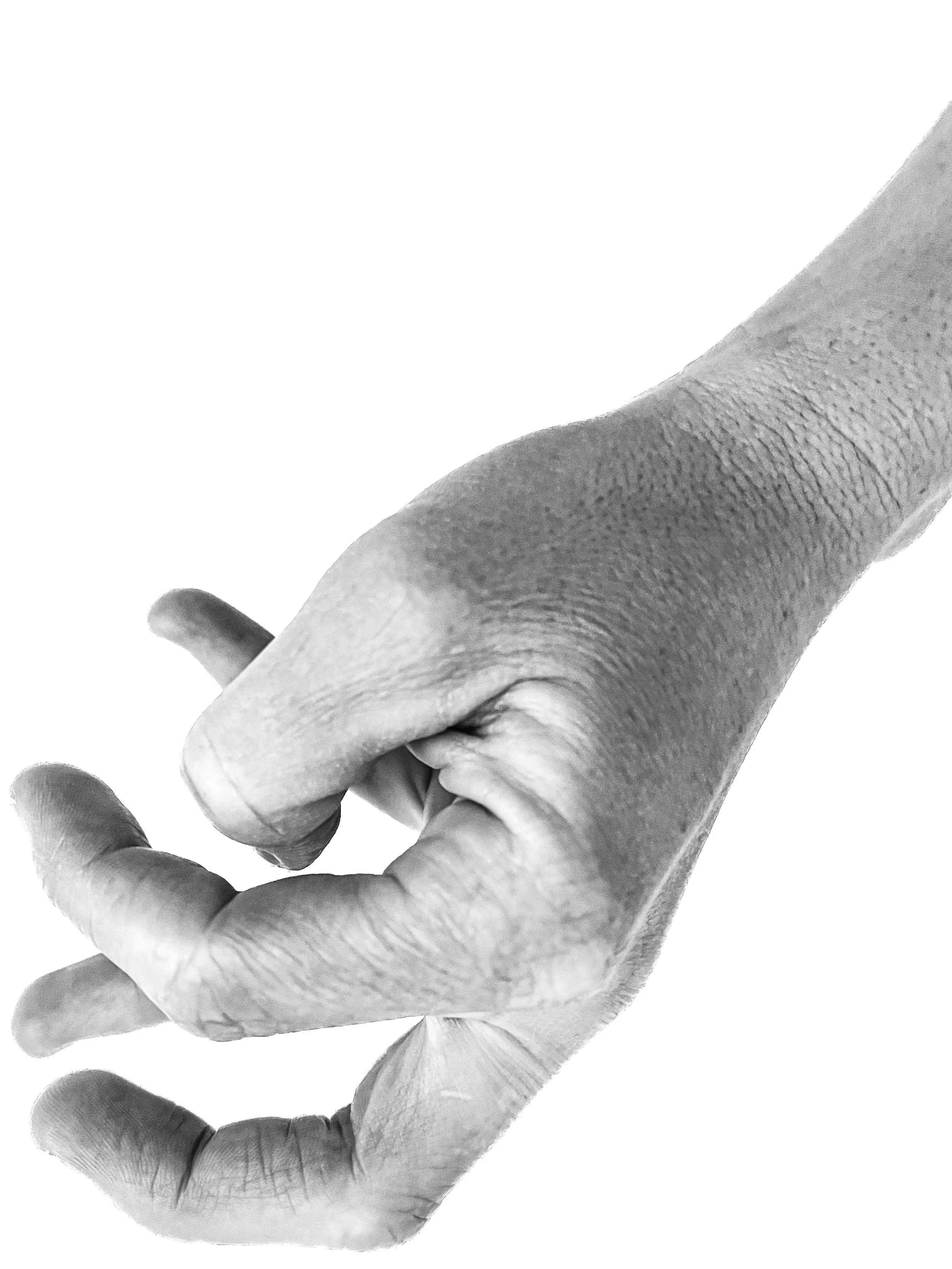
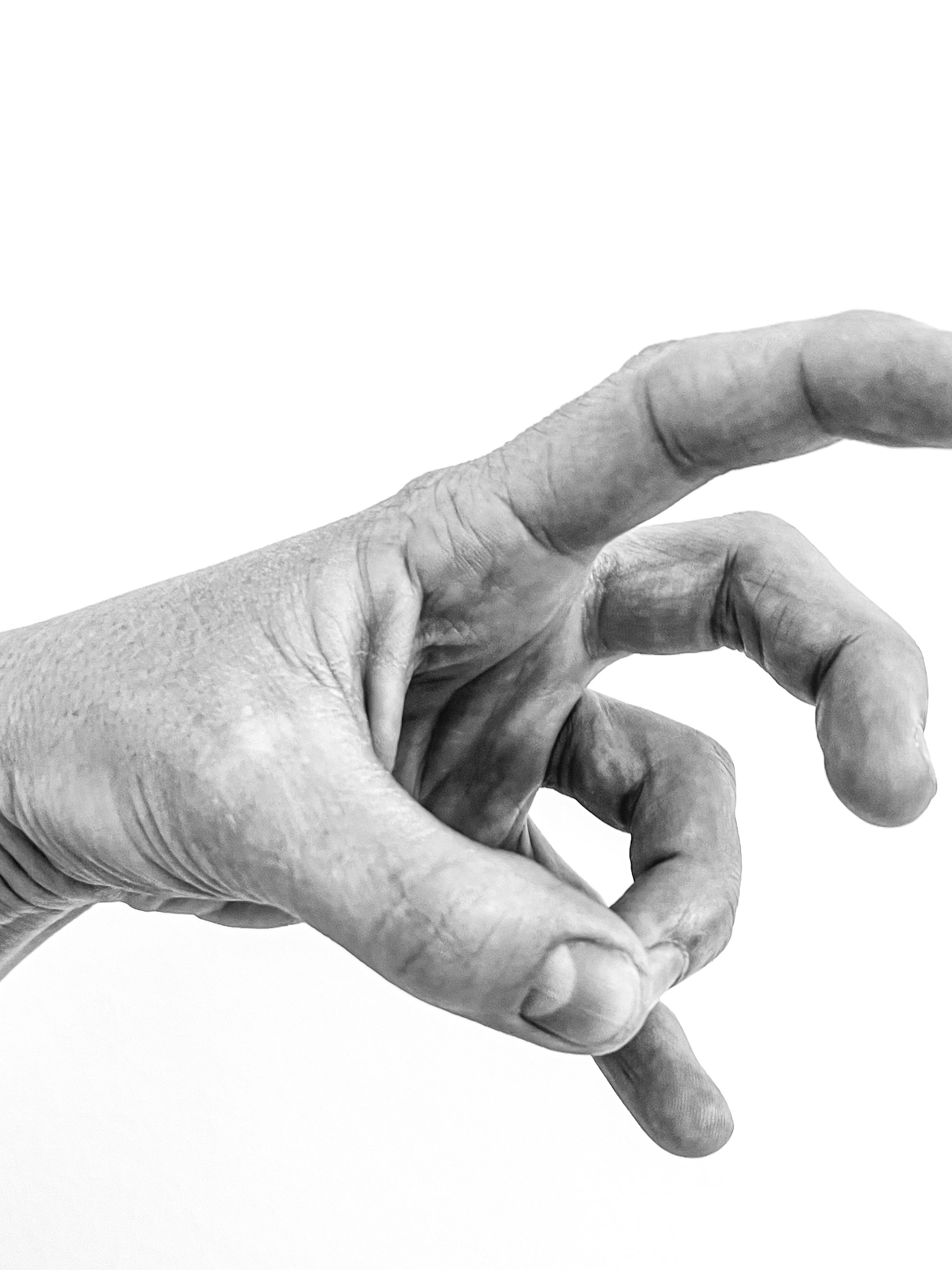
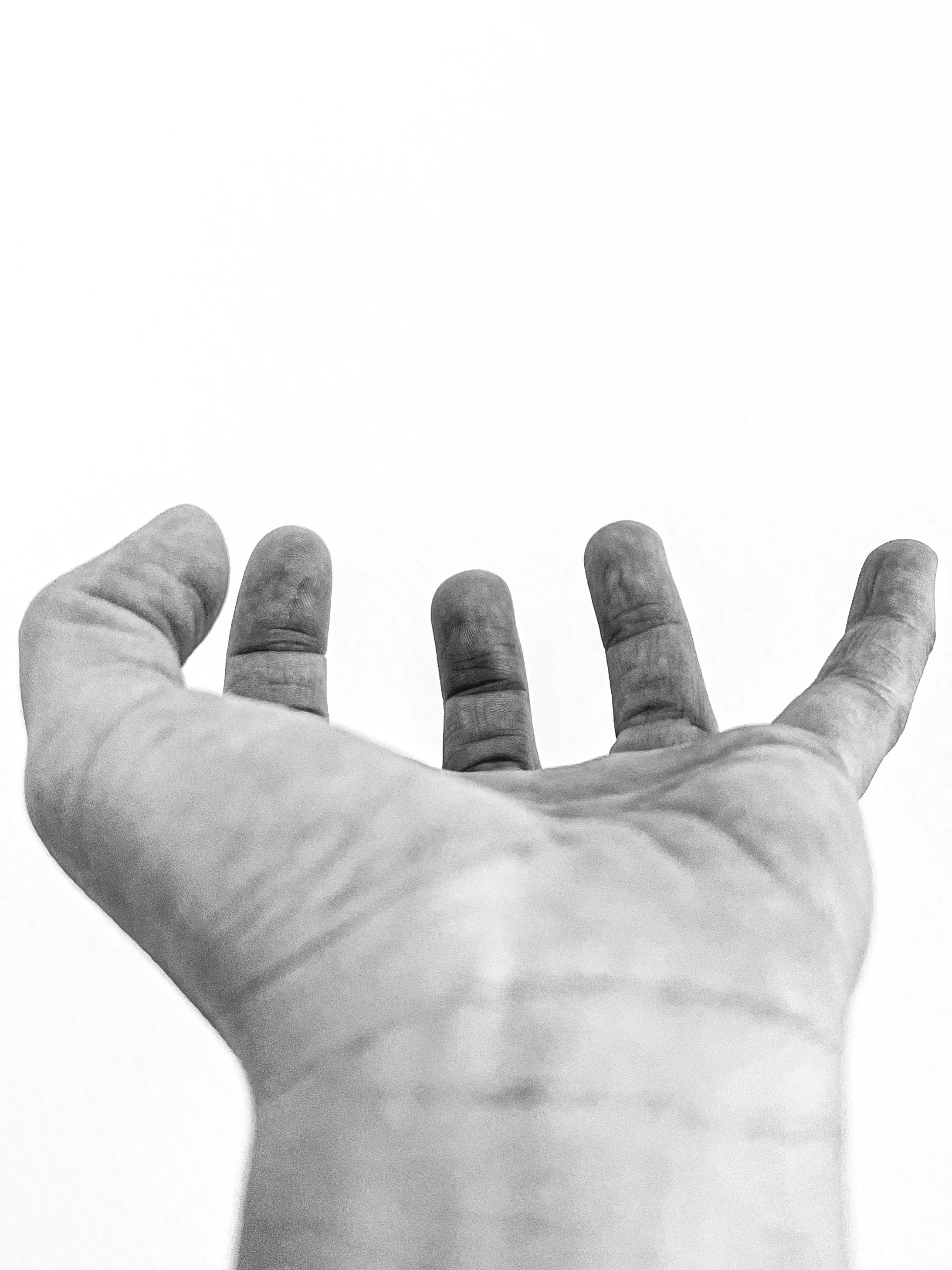
Hands can speak. They communicate emotions, experiences, and stories without using words. When we look at the hands of ourselves and others, we often notice more than we expect: age, strength, vulnerability, work, care, and personality. Hands are an important part of our identity — a visible sign of individuality and human experience.
Human hands have a long history as instruments of personality and social interaction. Through touch, gestures, and movement, hands help us connect with the world and with each other. They are used to create, protect, communicate, and express emotion. A handshake can symbolize trust, while a gentle touch can express comfort and intimacy. In this way, hands become more than just physical body parts; they become symbols of who we are.
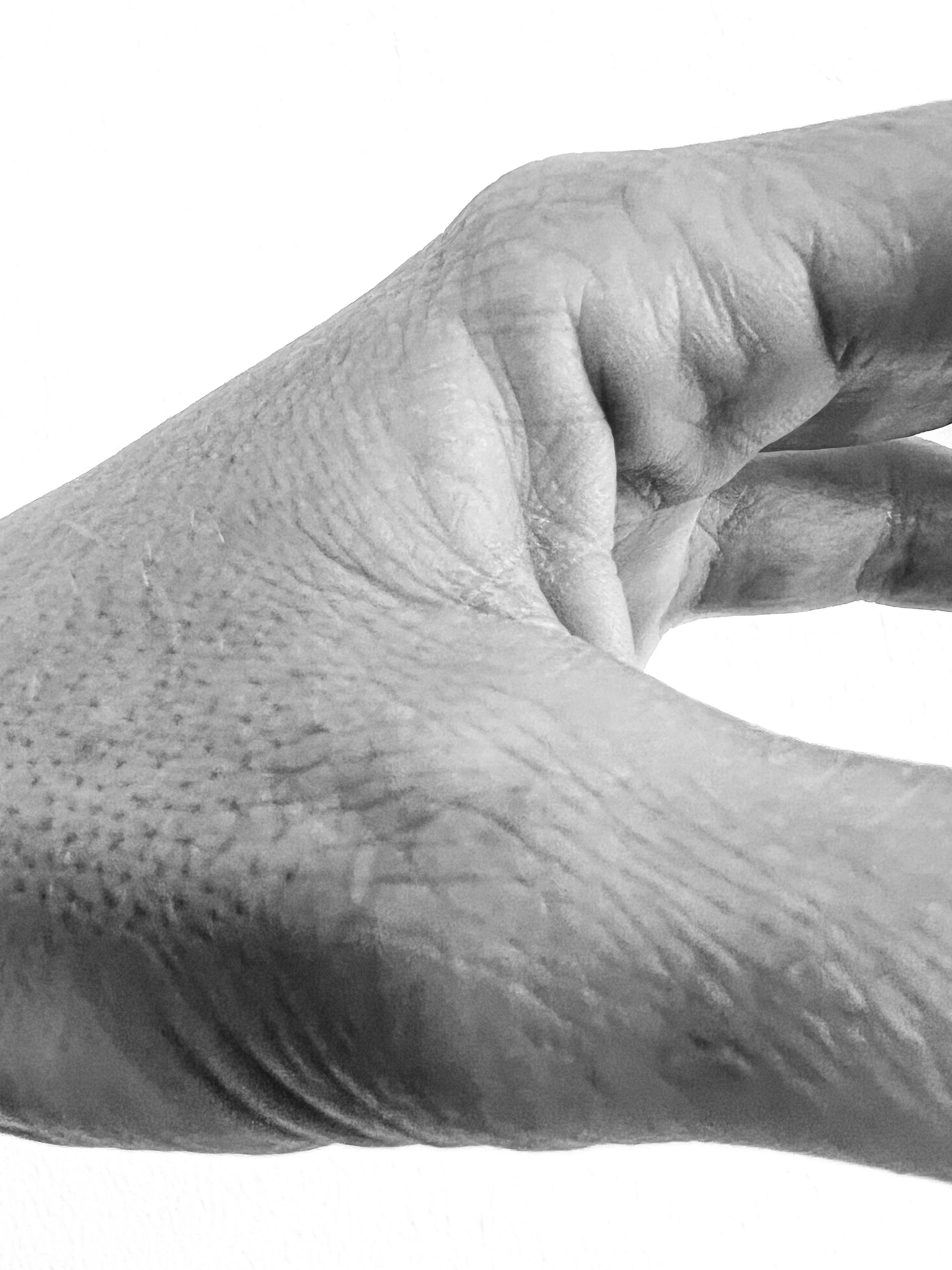
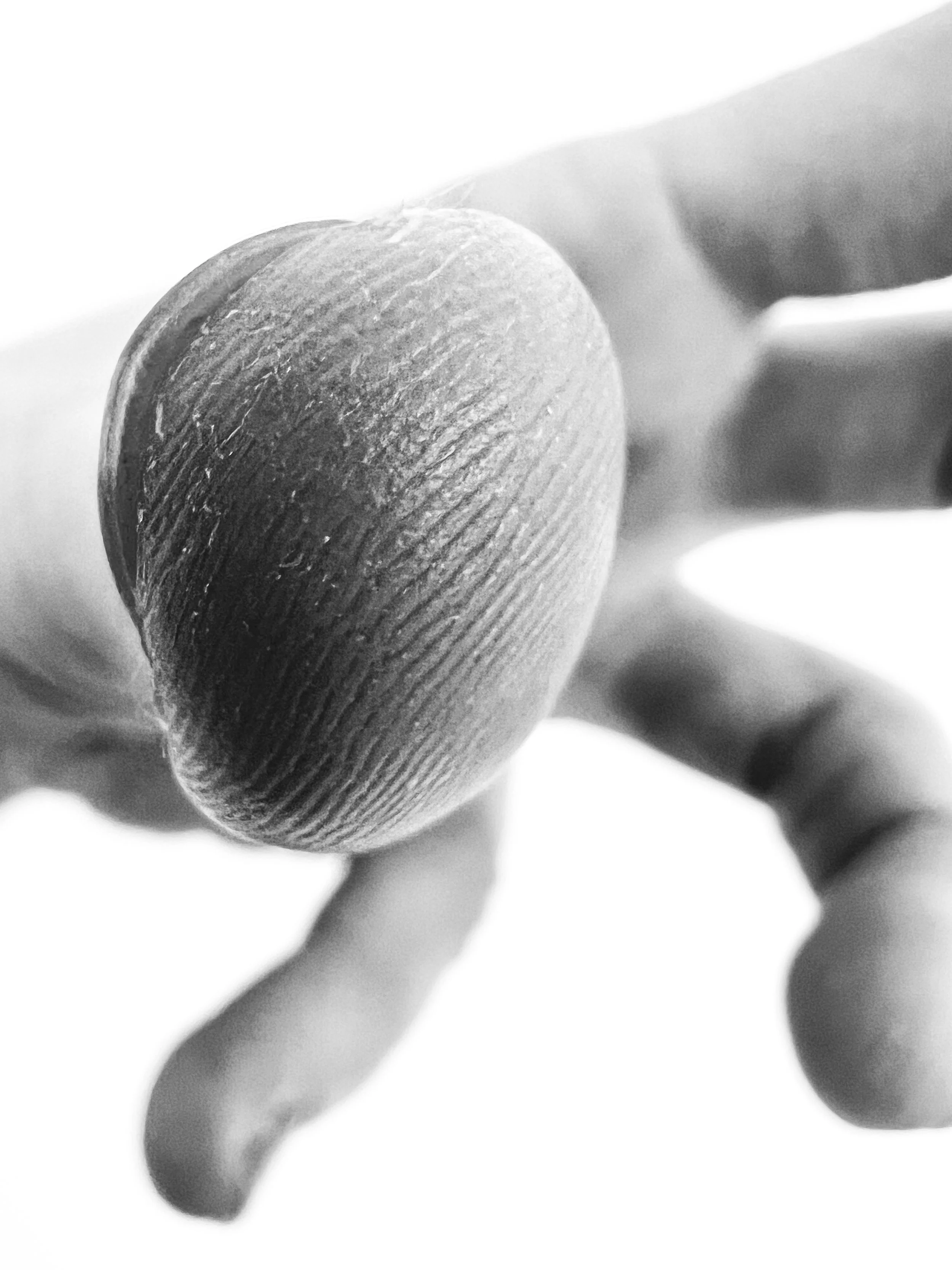
Every hand is unique. The lines, scars, wrinkles, and textures reflect a person’s life and experiences. Hands shaped by hard work may appear rough and worn, while other hands may seem delicate or careful. These differences reveal aspects of identity that are often hidden behind words or appearances. Even without seeing a face, we can imagine something about a person simply by observing their hands.
In this project, I explore how hands can represent identity both personally and universally. By focusing closely on details and gestures, the photographs invite the viewer to reflect on the connection between the body and the self. The images remove attention from facial expressions and instead emphasize the silent language of the hands. This creates space for interpretation and imagination.